Conservation that begins with people.
We bridge environmental protection and human well-being — reducing charcoal dependence while strengthening the communities of the Ruaha Landscape.
Who We Are
Asili Yetu Foundation is a non-governmental organization dedicated to protecting biodiversity, advancing climate resilience, and empowering communities to lead sustainable development.
Our work bridges the gap between environmental protection and human well-being by tackling the root causes of deforestation and unsustainable resource use. Through community-led initiatives, we reduce dependence on charcoal, promote clean energy, and strengthen household financial resilience.
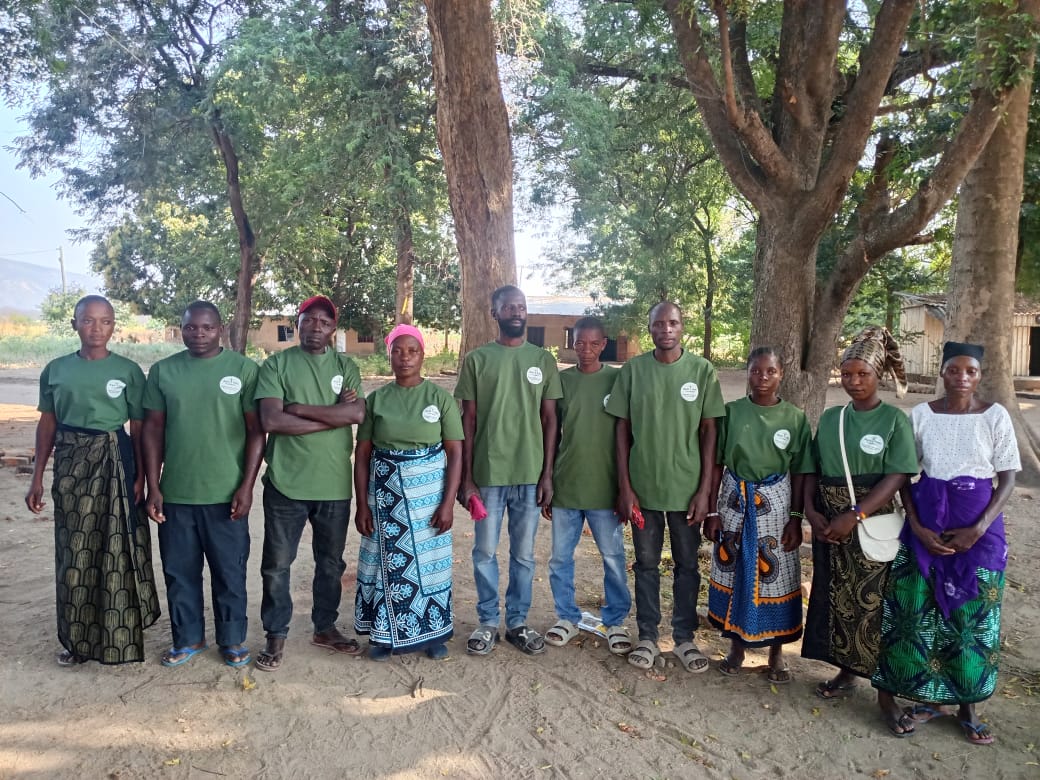
Our flagship program, the Community Conservation and Sustainable Livelihoods Initiative (CCSLI), empowers households around protected areas to transition away from charcoal production by building savings groups, supporting alternative livelihoods, tree planting, and promoting sustainable energy solutions.
Our Mission
Work with rural communities to reduce charcoal dependence by supporting clean cooking, alternative livelihoods, and stronger local natural resource governance.
Our Vision
A future where communities and nature thrive together, with reduced dependence on charcoal and stronger protection of forests, wildlife, and livelihoods.
Our Core Values
Community Ownership
We believe lasting change comes when communities lead. Our programs are designed with and for local people, ensuring solutions reflect their priorities and strengthen their stewardship of natural resources.
Sustainability
We promote long-term impact by linking conservation with livelihoods, clean energy, and financial resilience — lasting behavioral and economic change, not dependence on external support.
Collaboration
We work hand-in-hand with village governments, savings groups, conservation organizations, and funders to build partnerships that amplify impact across the landscape.
Evidence-Based Action
We ground our interventions in research, monitoring, and learning, documenting lessons to inform landscape-level conservation planning and ensure accountability.
Inclusivity
We prioritize the participation of women, youth, and vulnerable households, recognizing that inclusive conservation strengthens both communities and ecosystems.
How We Work
Community-Led Approach
Participatory Assessments
Capacity Building
Partnerships & Collaboration
Evidence & Learning
The Ruaha Landscape, Tanzania
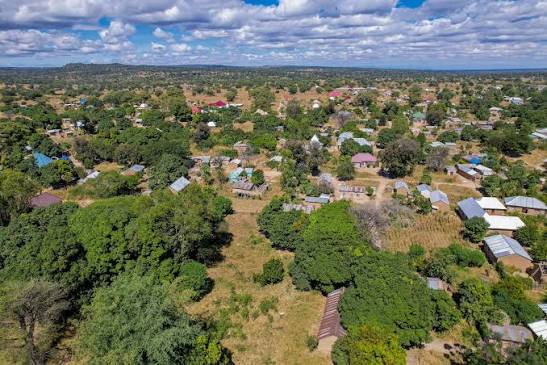
Asili Yetu Foundation operates in the Ruaha Landscape of Tanzania, one of the country's most important conservation areas — home to globally significant populations of elephants, lions, leopards, cheetahs, African wild dogs, giraffes, buffaloes, antelopes, and hundreds of bird species, sustained by the Great Ruaha River and a network of forests and woodlands.
Our initial focus is on villages within the MBOMIPA Wildlife Management Area, particularly Idodi and Mapogoro — communities at the frontline of deforestation pressures due to heavy reliance on charcoal production for both cooking fuel and income.